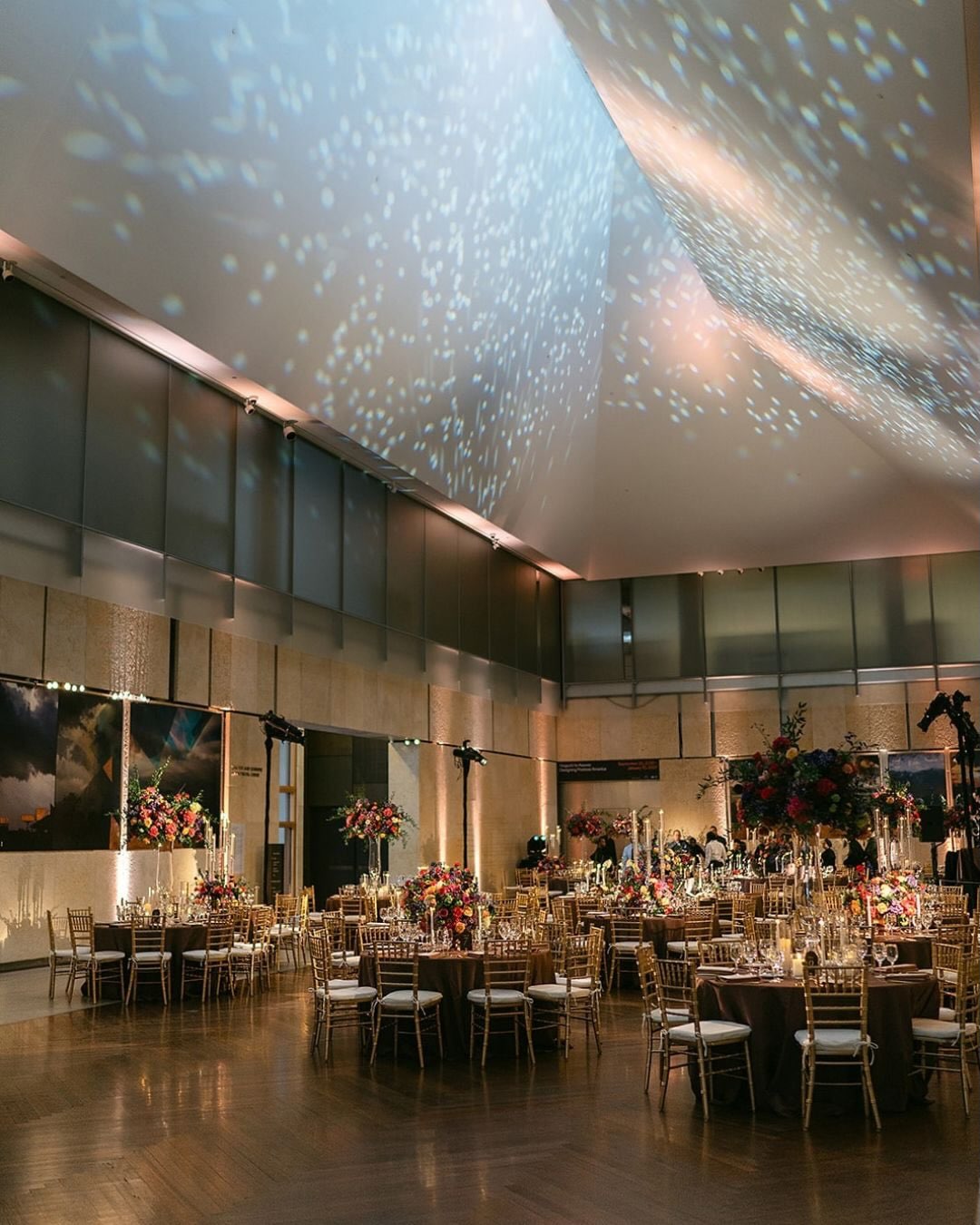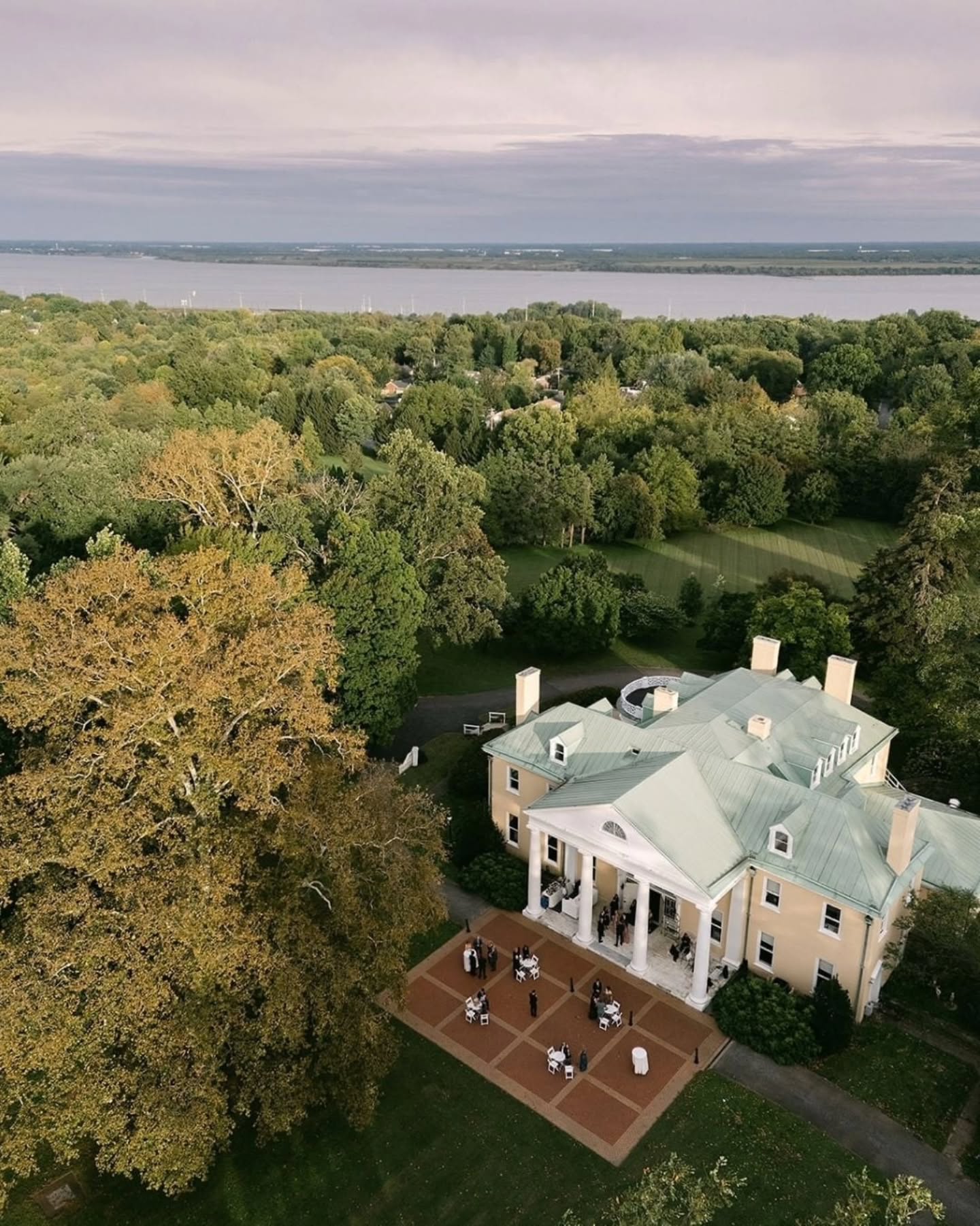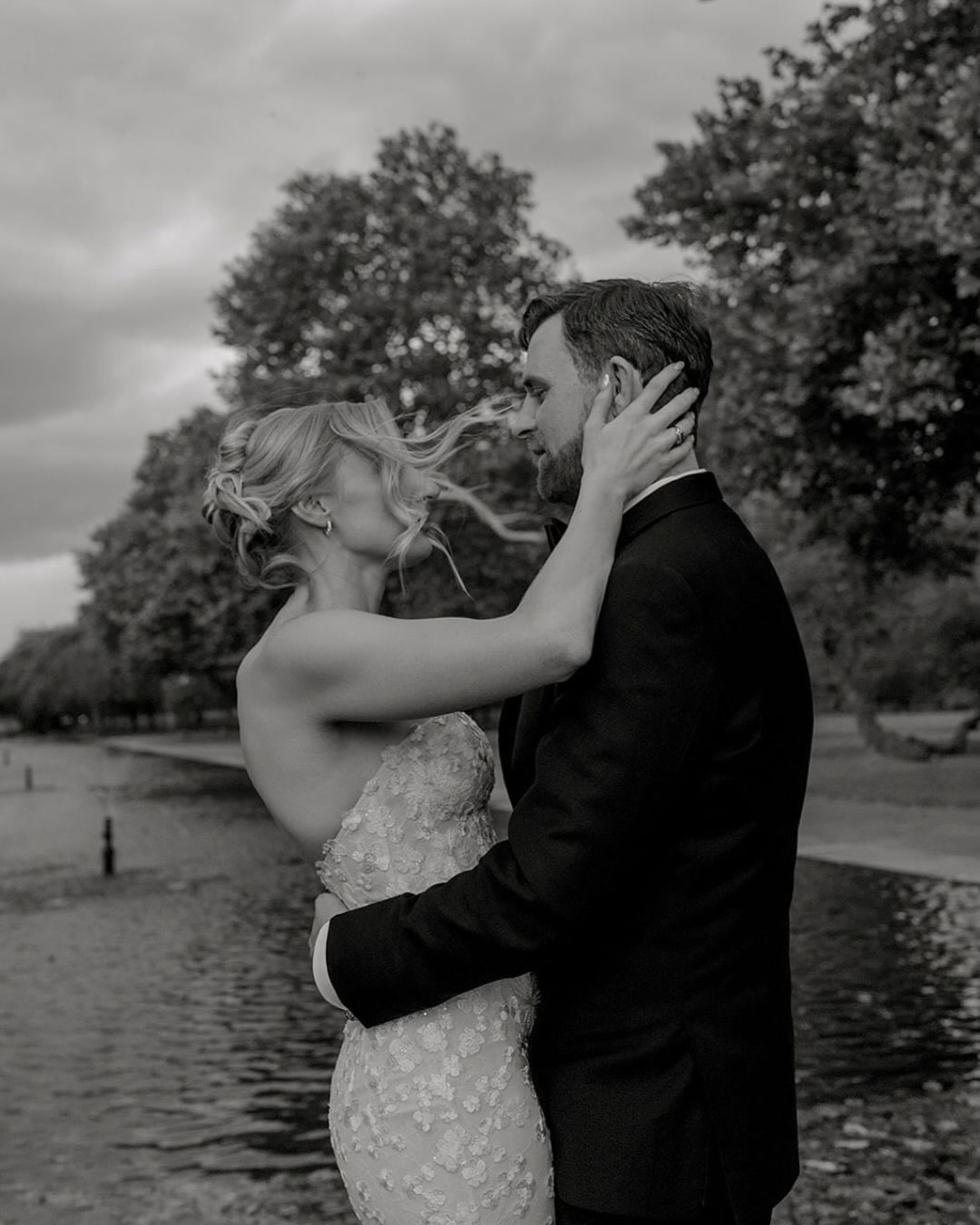
Wedding Photography at Terrain at Styer's.
Terrain at Styer's photographs best when the timeline treats it as a sequence of spaces, not one pretty backdrop. The greenhouse light changes quickly. The gardens can move from open sun to soft shade within the same portrait walk. Wood, glass, stone, foliage, and warm interior light all respond differently on camera.
That variety is what makes Terrain at Styer's wedding photos feel so layered. It is also why a photographer needs to make decisions instead of simply walking toward the nearest patch of greenery.
One geographic note before we go further: Terrain at Styer's is in Glen Mills, Pennsylvania, outside Philadelphia. It belongs in the Philadelphia wedding conversation, but it is not a Center City venue. That distinction matters when you are planning travel, arrival times, and the amount of portrait time you actually have.
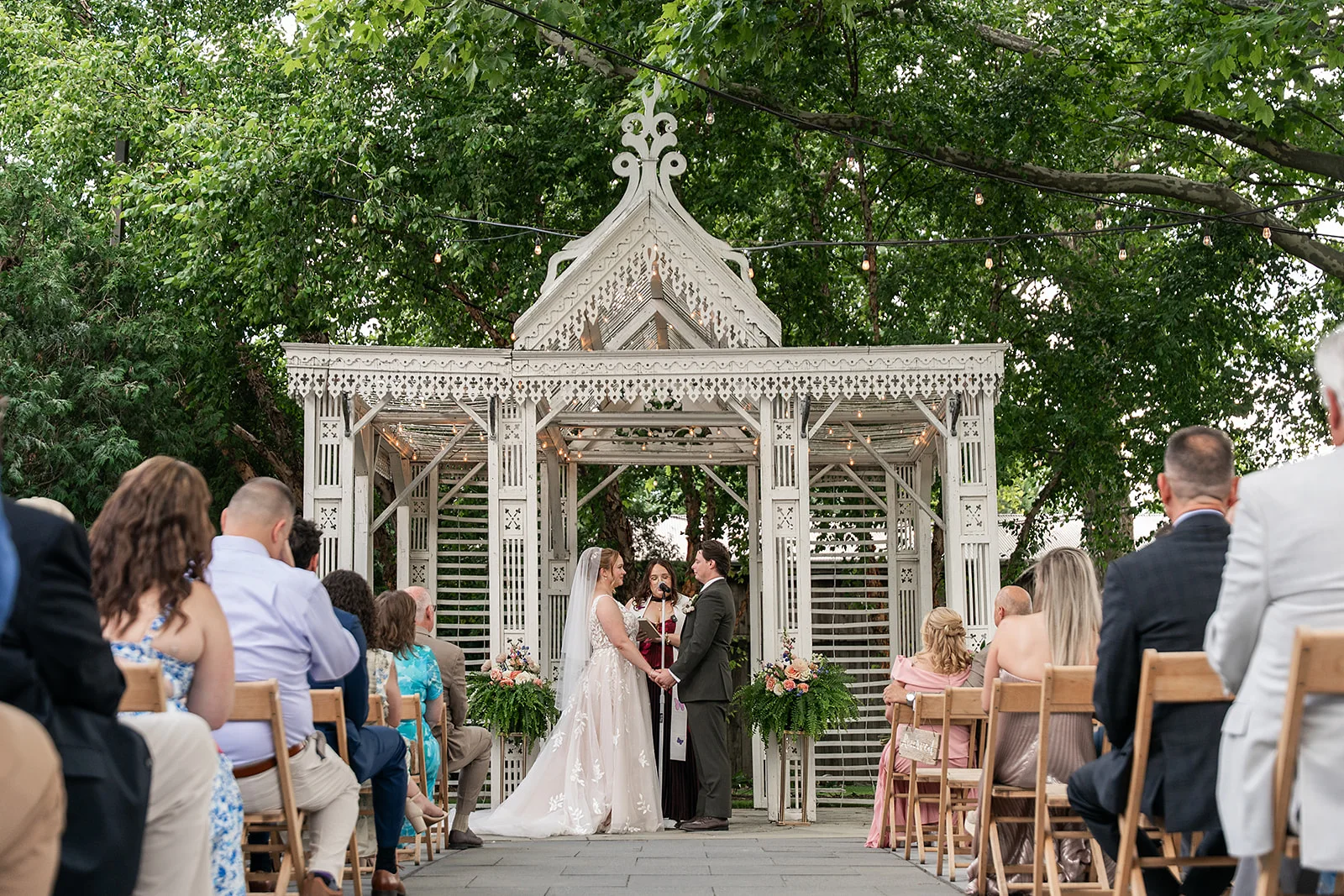
Terrain at Styer's at a glance
Terrain at Styer's occupies the historic site of J. Franklin Styer's nursery. The current venue information describes more than five acres of changing plants and greenery, a private suite in the historic Mushroom House, Ceremony Gardens with mature sycamore trees, a stone processional path, the wooden Wedding Temple, the refurbished Hot House for indoor ceremonies, and the Garden Shed for receptions.
The venue currently lists seating for up to 110 guests and exclusive use of the venue on the wedding day. The wider property also includes Terrain Cafe and the retail store. Policies and access can change, so your agreement and coordinator should always settle the final details.
Those facts explain the photographic appeal. Terrain is not one grand room with one dominant architectural idea. It is a collection of smaller environments that can make a wedding gallery feel varied without sending the couple off-site.
What makes Terrain at Styer's visually different?
Three things shape the photographs here.
First, there is the glass. The Hot House brings daylight into an enclosed space, but glass does more than make a room bright. It creates reflections, hard bands of sun, cool sky light, and changing exposure from one side of a face to the other. Used well, it gives photographs dimension. Used carelessly, it can produce blown windows, green skin, or a bright background with a nearly invisible subject.
Second, the property has real depth. A portrait can include foreground leaves, a middle layer of stone or wood, and a background of trees or greenhouse structure. That lets us make images that feel immersive without asking a couple to stand in the middle of a lawn and pretend the camera is not there.
Third, the materials are already in conversation with one another. Weathered wood, metal frames, glass, stone paths, living plants, candlelight, and string lights create contrast without requiring a lot of additional decoration. The strongest photographs usually let those materials support the people instead of trying to feature every detail at once.
How does the light change throughout a Terrain wedding day?
There is no single “Terrain light.” Season, weather, ceremony location, and the direction of the sun all matter. A spring morning in the Hot House behaves differently from a late-autumn ceremony in the gardens. Still, there are useful patterns.
Morning ceremonies: clean light, visible structure, less warmth
Morning light tends to make the glass, plant edges, and greenhouse framework feel crisp. On an overcast morning, the Hot House can act like a large soft light source. On a clear morning, direct sun through glass can create bright stripes and deeper shadows much earlier than couples expect.
For a morning ceremony, we pay close attention to which side of the face receives the cleanest light and whether the background is several stops brighter than the couple. We would rather adjust an angle before the processional than spend the ceremony fighting an avoidable lighting problem.
Morning garden portraits often have fresh color and quieter grounds. They may not have the amber warmth associated with evening portraits, but they can feel clear, intimate, and especially good for celebrations that are meant to remain light and relaxed.
Afternoon portraits: the most beautiful variety and the hardest contrast
Afternoon is when Terrain offers the most visual options and the most ways to get the light wrong.
In open areas, overhead sun can create squinting and dark eye sockets. Inside the Hot House, the same sun may break into defined shapes across the floor, walls, and people. Near foliage, reflected light can pick up a green cast. None of this is a reason to avoid the space. It simply means we choose the location and direction of a portrait based on the light that is actually present, not the location's reputation.
The edge of open shade is often more useful than the deepest shade. It keeps faces dimensional while allowing the gardens to remain visible. We also use the greenhouse structure as a compositional element, especially when a slightly off-center angle gives us cleaner light than the obvious middle-of-the-aisle view.
Golden hour: worth protecting, but it does not need to take over cocktail hour
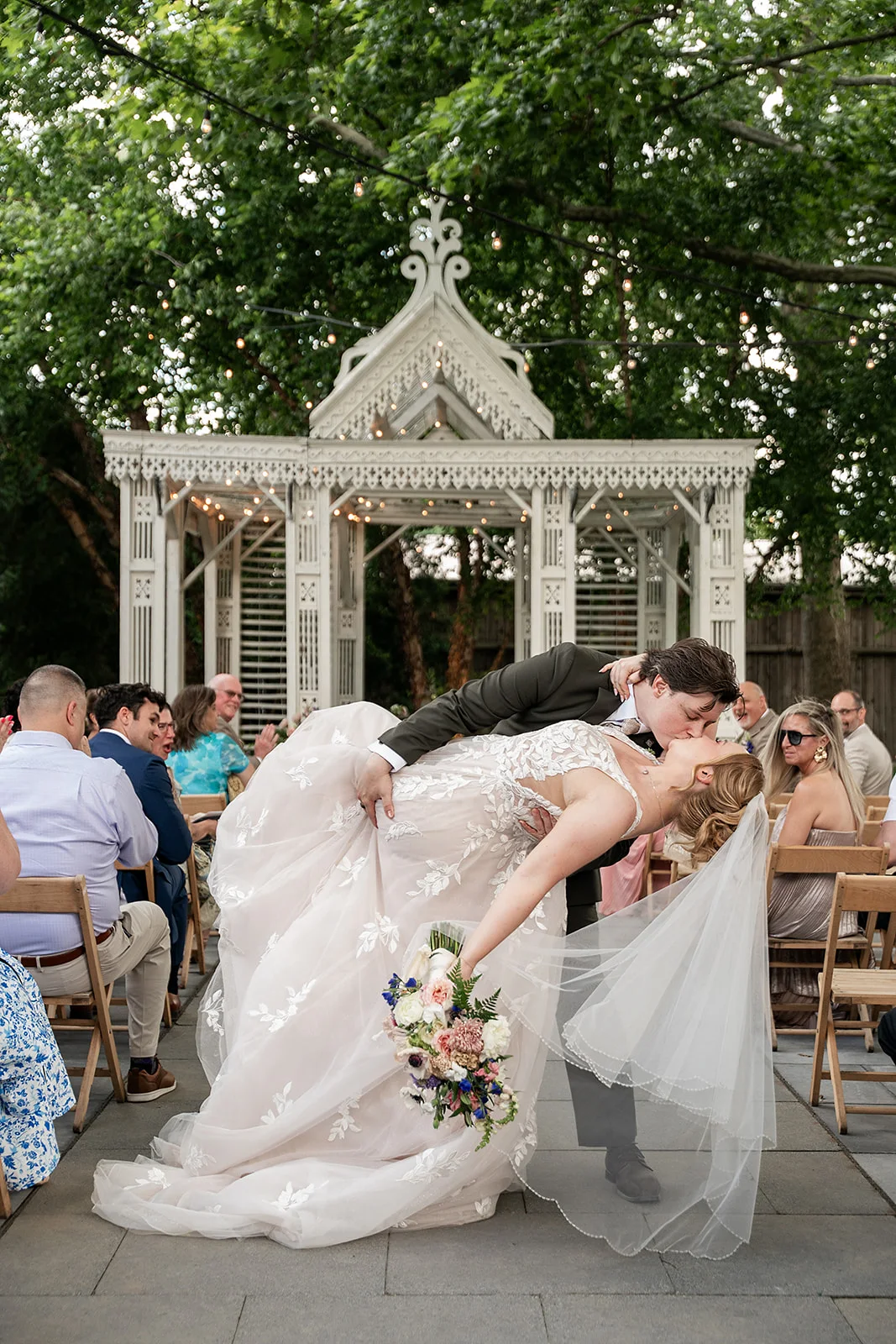
Terrain's evening light is especially effective when it filters through trees or catches the edges of plants and clothing. It can turn the grounds warmer and separate the couple from a background that looked flat an hour earlier.
We usually do not need a 45-minute disappearance at sunset. A protected 15-to-20-minute window can be enough if we have already completed the core portraits. The exact time should be based on sunset, season, tree cover, and the day's weather, not a generic line on a template timeline.
The important decision is whether that window overlaps something the couple genuinely wants to experience. If cocktail hour is when you plan to greet every guest, do not build a plan that quietly removes you for all of it. We can create a short return to the gardens later, or shift more portraits before the ceremony.
Evening receptions: warm atmosphere, mixed color, and intentional flash
After sunset, the Garden Shed and surrounding spaces become warmer and more enclosed. Installed lights, candles, string lights, and any daylight remaining outside may all have different colors. We preserve the atmosphere, but we do not pretend ambient light can handle every moment.
For entrances, toasts, the first dance, and an active dance floor, we balance the room's existing light with deliberate flash when it helps. The goal is not to make the Garden Shed look like a white studio. It is to keep skin tones believable, movement sharp when it should be, and the warmth of the room intact.
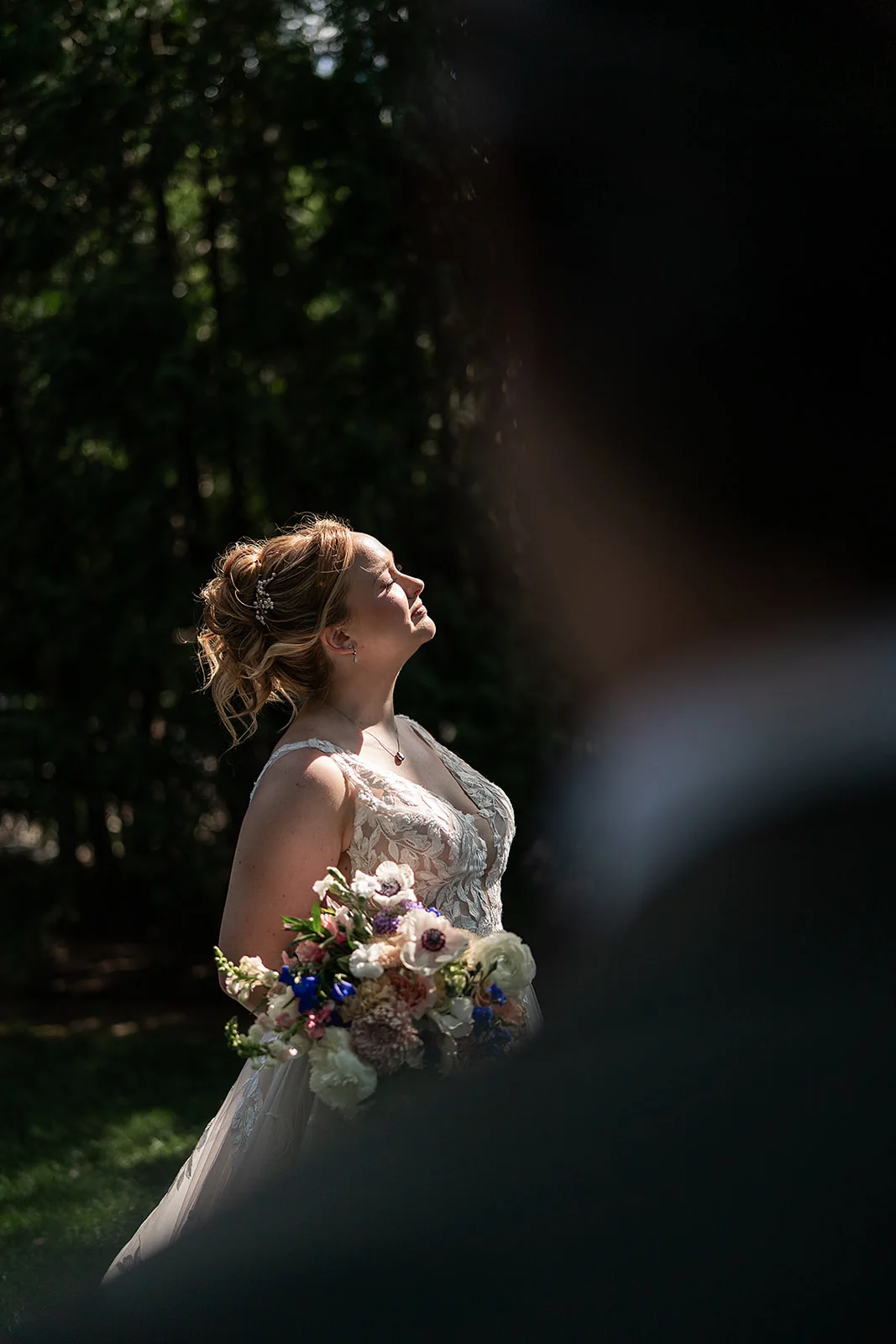
Five portrait locations couples may not think to request
The famous locations are useful, but the quieter transitions often make the photographs feel more personal.
1. The stone path before the Ceremony Gardens
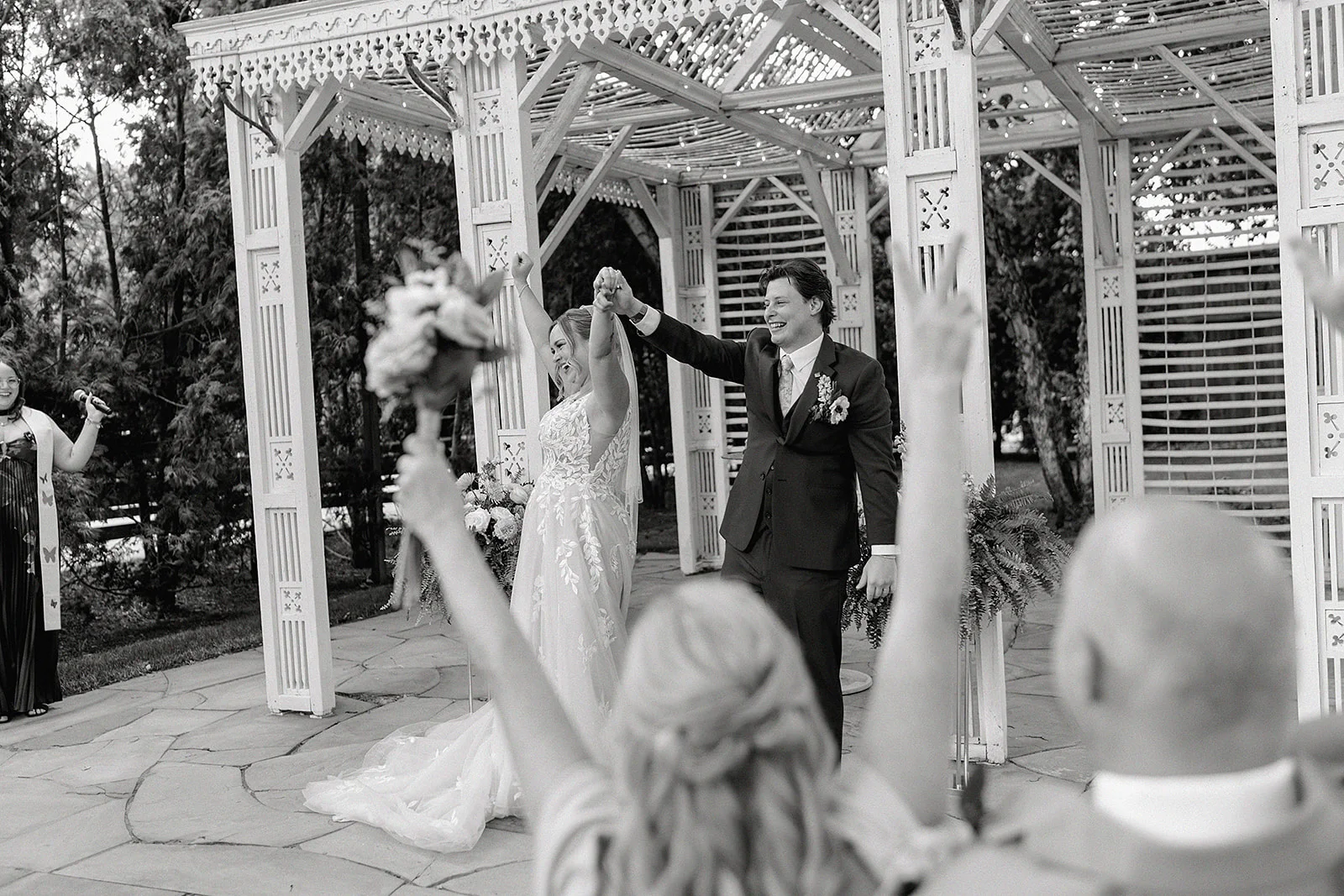
The path can show movement, landscape, and the approach to the Wedding Temple in one frame. It works especially well for a processional, a first look with some depth, or a portrait that feels like part of the day rather than a stop for pictures.
2. The edge of the mature sycamores
The center of a lawn is not automatically the best portrait location. The edge of the tree cover often gives us softer light on faces while keeping the scale and greenery of the Ceremony Gardens behind the couple.
3. The Mushroom House doorway and window light
The Mushroom House is more than a place to wait before the ceremony. Doorways, windows, and the transition from interior to exterior can create strong portraits with very little direction. Access and timing should be confirmed so the suite still functions as a calm private space.
4. A side angle inside the Hot House
The central view gets most of the attention. A side angle can be better because it layers glass, framework, plants, and reflections while keeping other people or setup activity out of the frame. It is also often easier to find clean facial light away from the most obvious axis.
5. The thresholds around the Garden Shed
The doorway, porch, and edges between reception space and garden can hold both warm interior light and cooler outdoor light. Around dusk, these transitions can produce portraits that feel connected to the reception without placing the couple in the middle of the room.
Every one of these locations depends on current access, guest movement, and venue operations. We choose from them based on what supports the day, not because a list says we must visit all five.
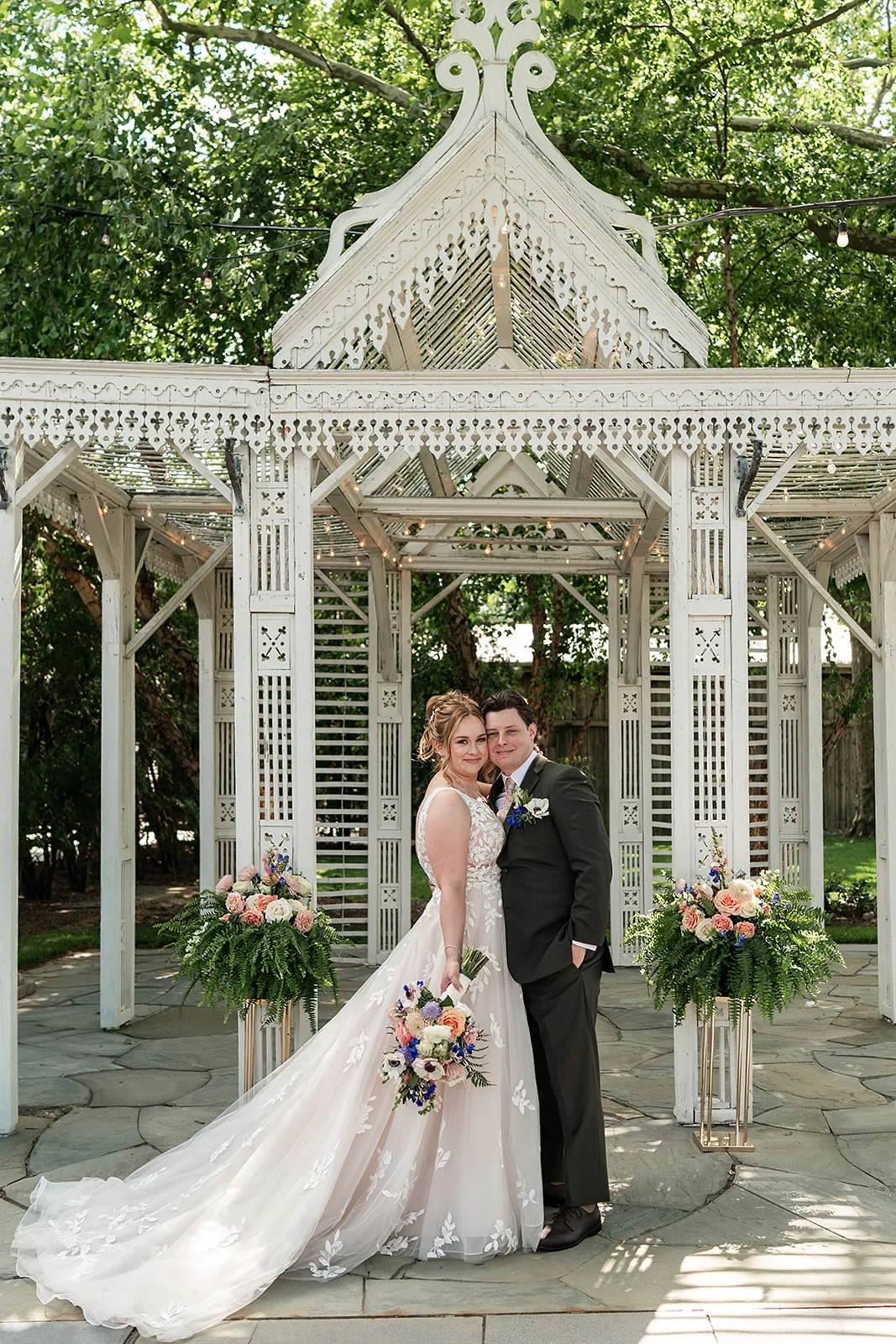
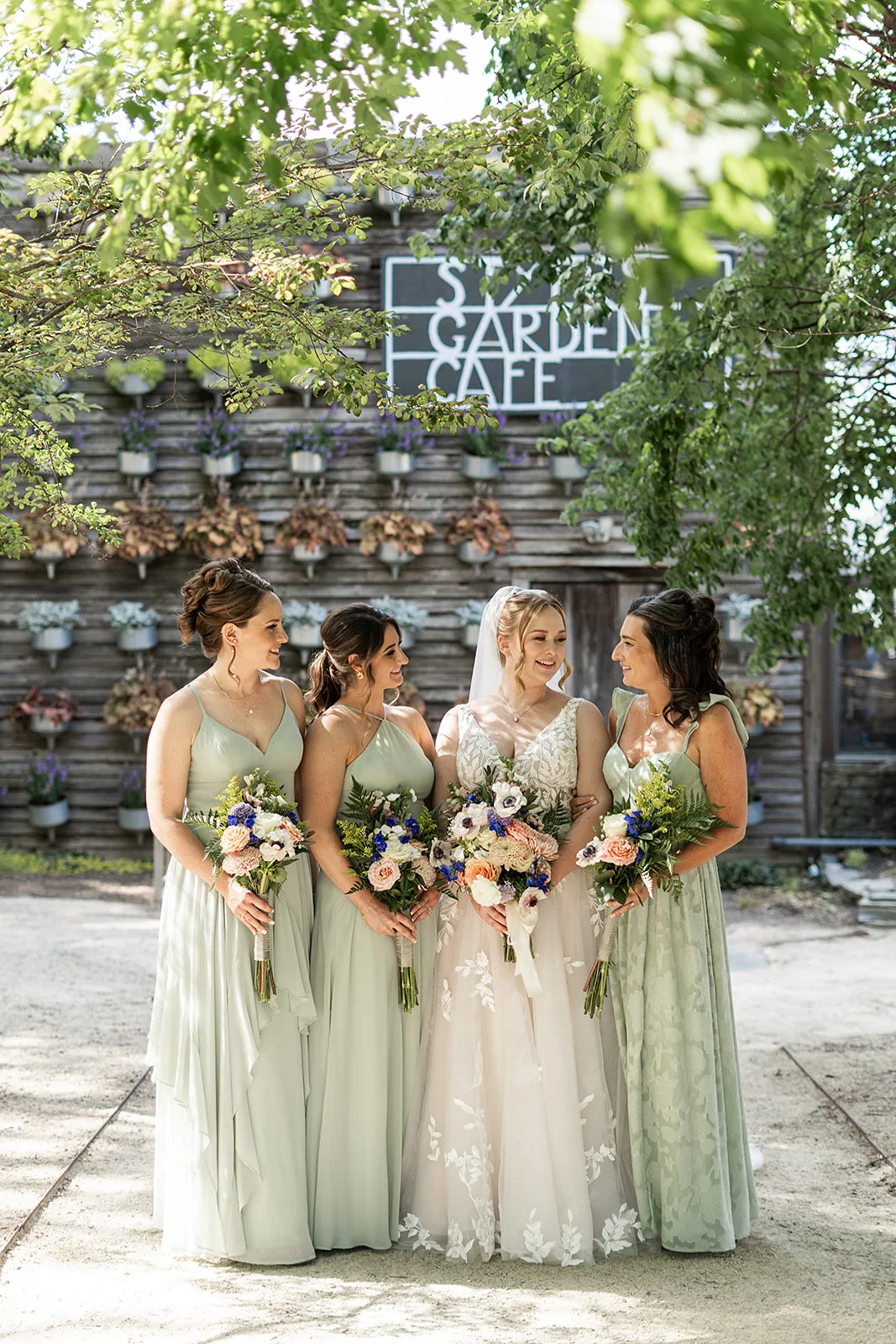
The timeline decisions that matter most for Terrain wedding photography
Decide whether portraits happen before or after the ceremony
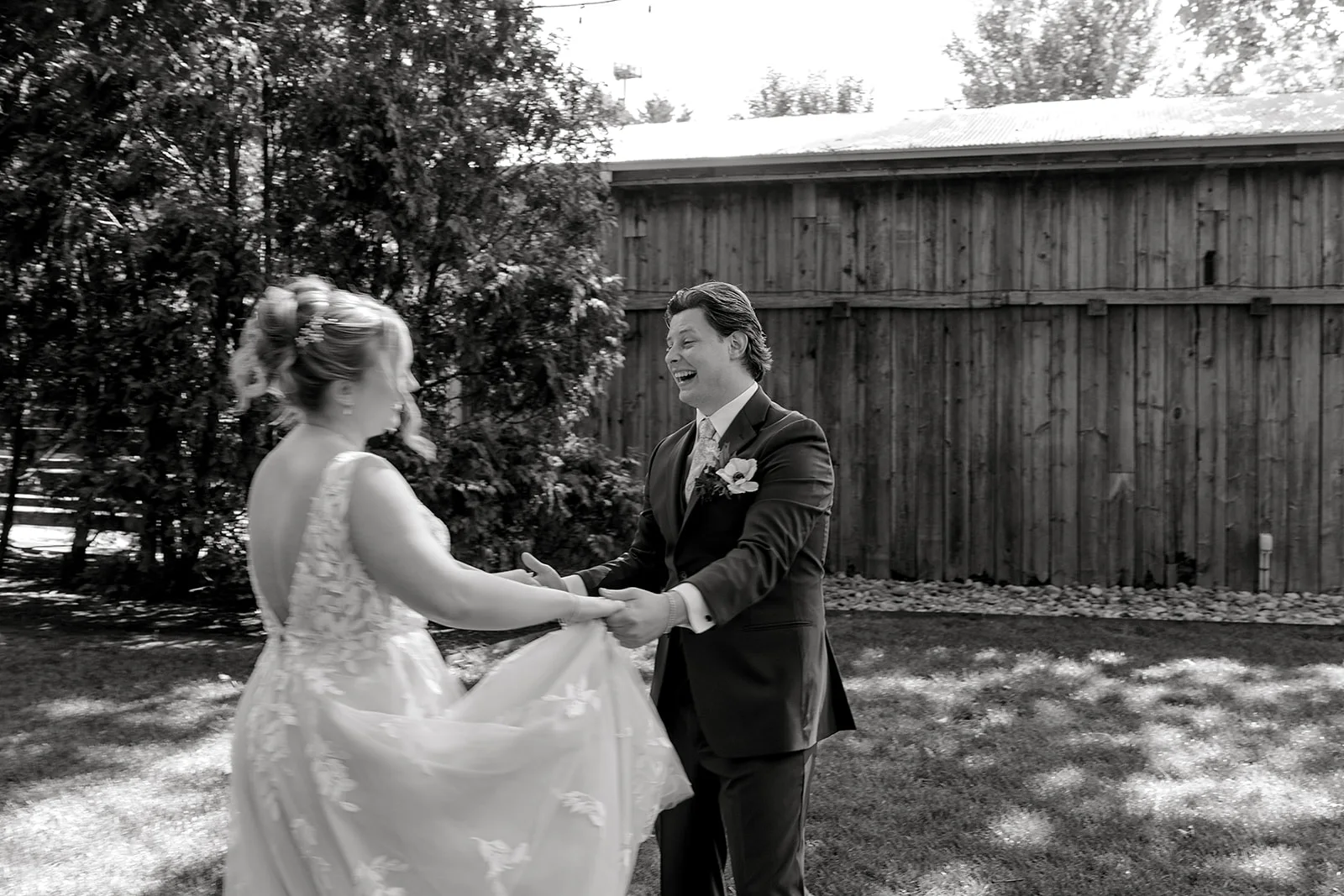
A first look is not photographically mandatory. At Terrain, it is useful when a couple wants to attend cocktail hour, has a larger family-photo list, or is getting married close to sunset.
If you do not want a first look, protect enough time after the ceremony for immediate family, wedding party, and couple portraits. A compact property saves travel time, but it does not eliminate the time it takes to gather people, move between spaces, and let a portrait breathe.
Keep family photographs close to where people already are
Moving a large family group through active paths or into a narrow greenhouse space can cost more time than the photographs themselves. We choose one location with reliable light, create a clearly ordered list, and ask a person who knows the family to help identify anyone we have not met.
Protect one short evening window
If the forecast and timeline allow it, reserve 15 to 20 minutes near the best evening light. Treat it as a flexible hold, not a compulsory photo shoot. If the light is exceptional, we use it. If dinner is running late or a meaningful moment is unfolding, we adjust.
Do not schedule every portrait during cocktail hour by default
Cocktail hour is doing several jobs at Terrain. Guests are moving through the property, the reception space may be receiving final adjustments, and the couple may want to participate. A timeline that places every family grouping, all wedding-party portraits, and the full couple session in that window leaves no margin for real life.
What should you tell your coordinator?
Share the photographic priorities before the final timeline is locked. We recommend asking your coordinator to help confirm:
- when the Mushroom House, Hot House, Ceremony Gardens, Garden Shed, pathways, and porch are available to the couple and photography team;
- which areas remain active for retail or cafe visitors and when they are quietest;
- whether a planned portrait area will be occupied by setup, deliveries, or guest movement;
- the exact indoor ceremony plan and the time required to reset or turn a space;
- a nearby family-photo location with enough room and predictable light;
- a flexible 15-to-20-minute evening portrait hold based on the actual sunset;
- when vendor meals, toasts, dances, and any room lighting changes will occur;
- who will gather family members and who can answer sensitive relationship questions discreetly.
This is not about letting photography run the wedding. It is about preventing photography from becoming a surprise logistical problem in the middle of it.
Common Terrain photography challenges and how we handle them
Mixed light in the Hot House
Daylight through glass, warm interior fixtures, reflected greenery, and outside conditions can all affect color. We expose for faces, choose angles that control the brightest areas, and add light only when it improves the photograph. We also edit the gallery as a complete body of work so one space does not swing unpredictably from blue to orange to green.
Active weekend conditions
Terrain permits one wedding per day and uses dedicated event spaces, but the property also includes a working retail store and cafe. The wider grounds can feel active on a weekend. We coordinate access, work efficiently in quiet pockets, wait briefly when a clean frame is worth it, and use layers or tighter compositions when a wide view would include shoppers, carts, signs, or parked cars.
Rain or a fast weather change
The Hot House provides a real indoor ceremony option, not merely a tiny emergency corner. For portraits, the greenhouse, Mushroom House, doorways, and covered transitions give us choices. We still confirm the actual rain plan because wind, temperature, room setup, and guest movement can change which “covered” option is comfortable or available.
A room that changes during the day
Setup, ceremony, cocktail hour, and reception do not exist in separate universes. A beautiful space may be full of staff, cases, or half-finished tables when the timeline says “details.” We coordinate with the planner and venue team so room photographs happen after the space is ready and before guests occupy it, whenever the day allows.
One honest note about what does not photograph especially well
Not every plant-filled corner looks like a private garden in a wide photograph. Some of the retail-facing nursery areas can read as exactly what they are: a working garden center with signs, carts, hard paths, and public activity. Midday light can make those elements even more obvious.
We do not force a wide portrait there simply because the space contains greenery. We look for a cleaner direction, use foliage as a foreground layer, wait for a brief opening, or move to the Ceremony Gardens, Hot House, Mushroom House, or shaded path. The goal is not to prove we visited every corner of Terrain. It is to make photographs that still feel like the couple.
Frequently asked questions about Terrain at Styer's wedding photos
Is Terrain at Styer's in Philadelphia?
No. Terrain at Styer's is in Glen Mills, Pennsylvania, outside Philadelphia. It is a Philadelphia-area venue, and real route time should be built into any off-site getting-ready, church, or portrait plan.
What is the rain plan for photographs?
The venue identifies the refurbished Hot House as its indoor ceremony option. The Mushroom House, greenhouse interiors, and covered thresholds can also support portraits depending on access and setup. Confirm the final rain plan and room-turn timing with Terrain for your date.
How much portrait time do we need at Terrain?
There is no universal number. For many timelines, 20 to 30 minutes for the couple, a separate efficient family block, and an optional 15-to-20-minute evening return create enough variety without taking over the day. Larger families, no first look, multiple locations, or complex cultural events require more time.
Should we take every portrait in the greenhouse?
Usually not. The Hot House is distinctive, but a full gallery is stronger when it also uses the garden, mature trees, stone paths, historic buildings, and evening reception atmosphere. It also keeps one crowded or high-contrast space from becoming a bottleneck.
Does our photographer need to know Terrain already?
Familiarity helps, but judgment matters more than memorizing five spots. A strong wedding photographer should understand mixed light, changing weather, public activity, compact timelines, and how to scout the light that exists on your date.
Want to see a complete Terrain wedding, not just highlights?
A portfolio can show a photographer's favorite ten frames. A full gallery shows how they handled the ceremony, family photographs, greenhouse light, reception, and everything that happened between those moments.
If you are planning a wedding at Terrain at Styer's and want to see full M2 galleries from the venue, reach out. Tell us your date, season, and what you want the day to feel like, and we will share the work that is most relevant to your plans.
Source notes
Planning a Terrain at Styer's wedding?