The 7 Wedding Photography Questions Nobody Tells You to Ask (And 3 You Should Stop Asking)
The most useful questions to ask a wedding photographer are not about RAW files, an exact image count, or whether someone has worked at your venue before. They are about consistency, backup plans, people skills, delivery, rights, and judgment when the plan stops behaving like a plan.
Wedding photographer interviews often drift toward details that sound measurable but reveal almost nothing. A photographer can have worked at your venue a dozen times and still be watching the wrong person when a real moment happens. A gallery can contain 1,500 photographs and still miss the way your dad looked at you before the ceremony.
We have had versions of these conversations more times than we can count. Here are the seven questions that actually help you understand who will be beside you all day, followed by three questions that deserve much less attention than they get.
The short list: what should you ask a wedding photographer?
| Ask this | What it reveals |
|---|---|
| Can we see a full gallery from a wedding similar to ours? | Consistency across a complete day |
| If our photographer is ill or injured, who actually shows up? | Whether the backup plan exists beyond the contract |
| How are our photographs protected from equipment failure and data loss? | Operational preparation before and after the wedding |
| How do you handle difficult family dynamics during formals? | Emotional intelligence and efficiency |
| What happens from the wedding night to final delivery? | Curation, editing, communication, and timing |
| What file rights do we receive? | What you can print, share, alter, or license, and who protects the copyright |
| What do you do when things go wrong? | Judgment, temperament, and honesty |
1. “Can we see a full gallery from a wedding similar to ours?”
Most couples ask to see more work. Fewer ask for the right work.
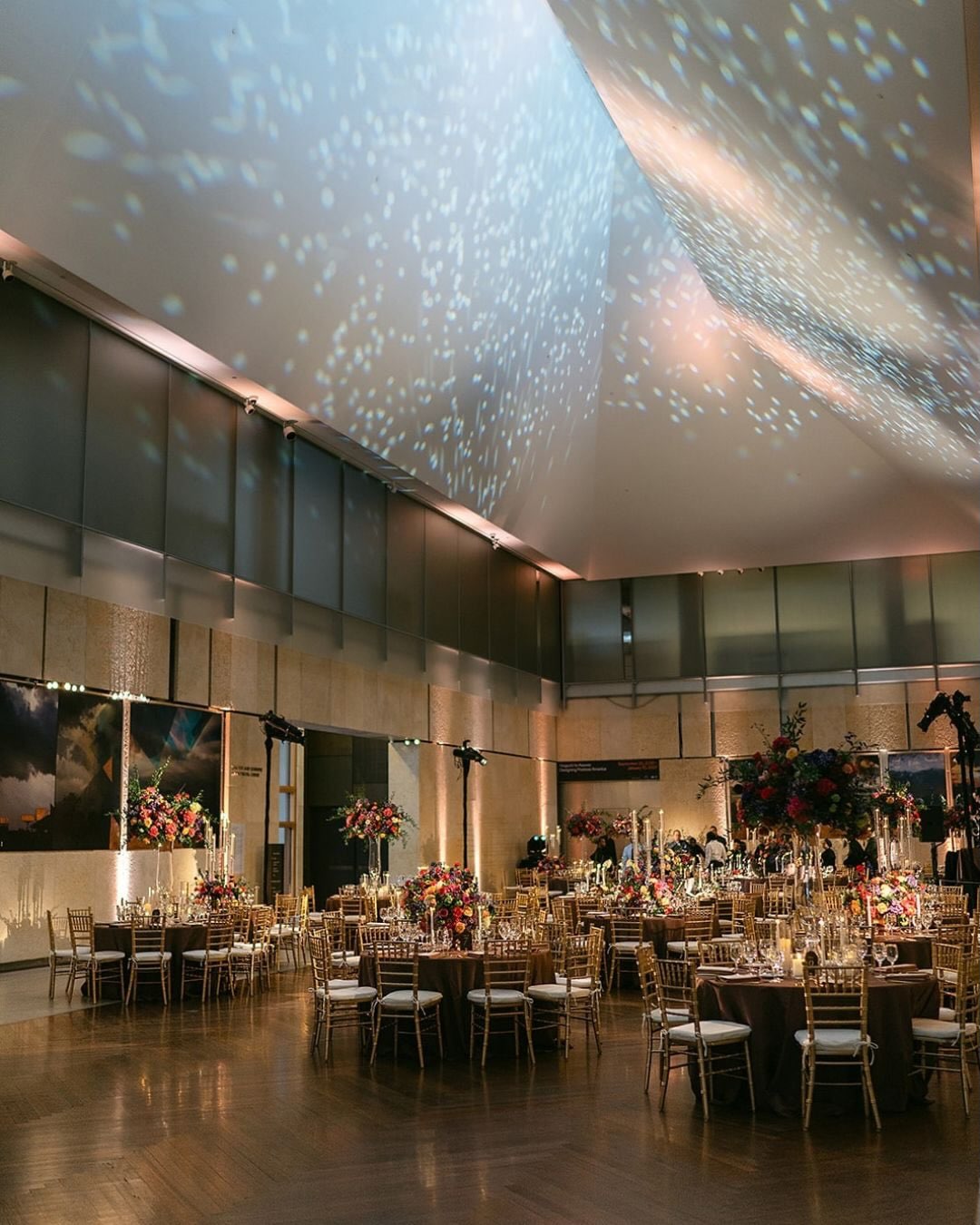
A highlight portfolio proves that a photographer can make excellent photographs. It does not prove that they can do it through a full wedding day. You need to see what happens when the hotel room is small, the ceremony light is difficult, the family list is long, the reception is dark, and nobody has arranged the dance floor around an Instagram grid.
Ask for a gallery from a wedding similar to yours in the ways that matter:
- a comparable venue or lighting condition;
- a similar guest count and timeline;
- the same photographer or team configuration you are considering;
- a similar season, ceremony type, or cultural structure;
- the amount of coverage you are likely to book.
Then look beyond the obvious hero images. Is the ceremony complete? Do family photographs look attentive and composed? Are guests represented? Does the reception still look good after dark? Are there quiet moments as well as large ones? Does the gallery feel edited, or merely emptied onto a server?
We say this often because it remains true: a portfolio shows what is possible. A full gallery shows what is typical.
2. “If our photographer is ill or injured, who actually shows up?”
“We have a backup plan” is not a complete answer.
Ask who makes the call, how a replacement is chosen, whether that person has comparable experience, and who will edit the photographs. If you booked a particular lead photographer, ask whether the contract promises that person specifically or the studio's services more broadly.
M2 works as a team partly because we can have one another's backs. We also maintain relationships in Philadelphia's photography community and make every reasonable effort to ensure a couple is cared for when circumstances fall outside anyone's control.
No honest photographer can promise that illness, injury, or a true emergency will never happen. The useful promise is a prepared response, clear communication, and a replacement standard that protects the work and the couple's experience.
3. “How are our photographs protected from equipment failure and data loss?”
This is different from asking, “What camera do you use?”
A useful answer should describe protection at several stages:
- backup camera bodies and essential equipment at the wedding;
- what happens if a lens, flash, battery, or memory card fails;
- whether image files are recorded redundantly when the camera supports it;
- when files are copied after the wedding;
- how many copies exist while the gallery is being edited;
- whether one copy is kept separately from the primary working system;
- when files are safe to remove from the original cards;
- how long delivered galleries are hosted or archived.
You do not need a diagram of the photographer's server rack. You do need evidence that “we back things up” is a process, not a reassuring sentence developed during your consultation.
Equipment fails. Drives fail. People make mistakes. A professional system assumes those things are possible and creates more than one way for your photographs to survive them.
4. “How do you handle difficult family dynamics during formal photographs?”
Here is a real wedding problem: one parent will not stand beside the other parent's new spouse. A sibling is estranged but attending. A grandparent moves slowly. One uncle keeps disappearing into cocktail hour. The couple knows all of this and does not want to explain it loudly in front of everyone.
Now ask yourself which is more useful: a photographer who knows the venue's prettiest wall, or one who can get through that family list without turning the wedding into a group therapy session?
We ask about family dynamics before the wedding because names alone are not enough. We want to know:
- which relationships need sensitivity;
- which combinations should not be placed together;
- who must be photographed early for health or mobility reasons;
- whether a trusted relative or planner can help gather people;
- which photographs are emotionally important, not merely conventional.
During formals, our job is to be clear without being loud, efficient without treating people like furniture, and alert enough to change the order when the original plan is creating tension.
A good answer to this question should sound human. “We just follow the shot list” is not enough. The list is a tool. The photographer still has to read the room.
5. “What happens from the wedding night to final delivery?”
“You will receive an online gallery” skips most of the process.
Ask for the whole path:
- When are the files secured and backed up?
- Does the photographer select the final images, or does an outside editor make the first pass?
- What does standard editing include?
- Are previews delivered, and when?
- When is the complete gallery normally ready?
- How will you know if delivery is running late?
- How long will the gallery remain online?
- What happens if you lose your download years later?
- When do album design or print ordering begin?
At M2, we typically provide a substantial preview gallery within about two weeks. The complete gallery is usually delivered within 8 to 12 weeks. During that time, we are not applying one filter and waiting for an export bar. We are selecting the photographs that tell the day clearly, balancing color and black-and-white work, and editing for consistency across different rooms, weather, skin tones, and light sources.
Your photographer's timeline may differ. That is fine. What matters is that the process is specific, written down, and reflected in recent client experience.
6. “What file rights do we receive, and what can we legally do with the photographs?”
Couples often use “rights,” “copyright,” and “print release” as if they mean the same thing. They do not.
In the United States, the photographer generally owns the copyright to wedding photographs unless the copyright is transferred in a signed writing. Paying for photography or being the person in a photograph does not automatically transfer copyright. The client usually receives a license or print release that describes permitted uses.
M2 collections include a high-resolution digital download with a print release, color and black-and-white files, and online proofing. You receive complete personal-use rights under that release, including the ability to download, share, and print your photographs. Your signed agreement controls the exact terms.
M2 retains the copyright. That does not prevent our couples from using their wedding photographs personally. It gives us a clearer ability to protect the work and the people in it when a business, publication, vendor, impersonator, or other third party uses an image without permission. As the copyright owner, we can send takedown notices and address unauthorized commercial use directly instead of placing that burden on the couple.
Before booking any photographer, ask whether you may:
- download high-resolution files;
- make prints and albums for personal use;
- share images on personal social media;
- send files to family members;
- submit photographs to a venue or wedding publication;
- apply filters, remove watermarks, or substantially alter the images;
- use photographs for a business, advertisement, product, or paid partnership;
- provide files directly to other vendors for their marketing.
Personal sharing and commercial use are not the same. A print release is not necessarily a copyright transfer. If a planner, venue, florist, designer, publication, or brand wants to use the images, the safest approach is to ask the photographer rather than assuming the couple can grant rights they do not own.
The U.S. Copyright Office explains that the photographer generally owns wedding-photo copyright unless it is transferred in a signed writing. This is general information, not a substitute for reading your agreement or getting legal advice about a specific use.
7. “What do you do when things go wrong?”
This is the question many couples are afraid to ask because it sounds negative. Ask it anyway.
Do not make it hypothetical in the abstract. Ask for an example:
- What did you do when a timeline fell an hour behind?
- What happened when the forecast changed during the ceremony?
- How did you respond when a family member refused a planned photograph?
- What did you do when the reception room was not ready?
- How did you handle a restriction that prevented your usual lighting setup?
The point is not to collect disaster stories. It is to hear how the photographer thinks.
Strong answers usually include three things: what changed, what decision the photographer made, and how they protected the couple from carrying unnecessary stress. Weak answers make the planner, venue, weather, guests, or couple the villain.
We often say that we have never photographed a perfect wedding, but every couple got married. Timelines shift. Weather changes. Emotions show up without checking the schedule. Our role is to absorb pressure, adapt, and keep the day feeling like a wedding instead of a production problem.
Three questions you can stop treating like deal-breakers
Stop asking: “Will you give us the RAW files?”
RAW files are the unfinished source material recorded by the camera. They are not secret, better versions of the finished photographs. They still require selection, color work, tonal decisions, and the rest of the editing process you hired the photographer to perform.
Asking for the RAW files is a little like going to a restaurant and asking the chef to bring out the ingredients instead of the finished meal. The ingredients may be excellent. They are still not dinner.
Editing is a substantial part of the product, not a cosmetic step added at the end. It shapes color, contrast, shadow detail, skin tone, cropping, black-and-white interpretation, and the visual consistency of the complete gallery. Give the same RAW photograph to ten experienced photographers and you can receive ten very different finished images. Each photographer or studio brings its own aesthetic, judgment, and priorities to that process.
M2 does not deliver RAW files. We deliver the finished color and black-and-white photographs as high-resolution digital files with a print release.
Ask this instead: “Can we see a complete delivered gallery, and what does your editing include?”
That question shows you the photographer's complete visual standard, including how the work holds together across daylight, dark rooms, mixed lighting, different skin tones, and every other condition a wedding creates.
Stop asking: “Exactly how many photographs will we receive?”
An expected range can be useful. A guaranteed count is not a quality standard.
The final number depends on hours, guest count, the density of events, whether two photographers are present, and how the photographer curates. Ten nearly identical photographs of one bouquet can increase the total without making the gallery more complete.
Ask this instead: “How do you decide what belongs in the final gallery, and can we see how that curation looks across a complete wedding?”
No one has ever framed a spreadsheet that says “1,247 images.” They frame the photograph that brings the room back.
Stop asking: “Have you photographed at our exact venue?”
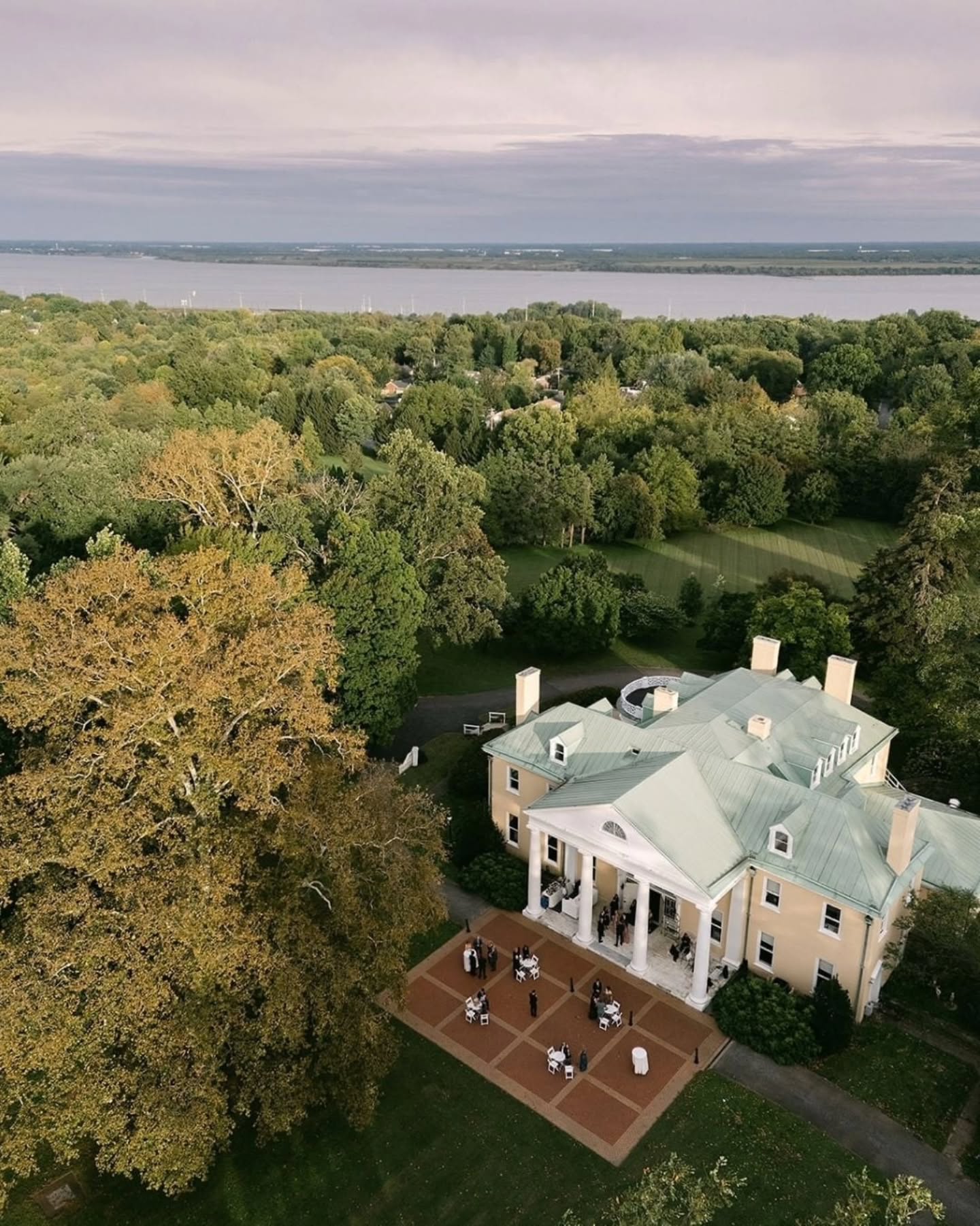
Venue experience can help. It should not become a substitute for broader competence, because wedding photography is an exercise in constant decision-making under conditions we rarely control.
A photographer who has visited a venue five times can still repeat the same five pictures without responding to your light, season, people, or priorities. A strong photographer who has not worked there should know how to scout, coordinate access, interpret restrictions, and solve unfamiliar light.
Unlike studio photographers, wedding photographers do not control the people in front of us. We rarely control the light. We cannot control the weather, the exact pace of the day, or where every meaningful interaction happens. The work depends on seeing what is changing, deciding what matters, and responding without stopping the experience.
Ask this instead: “Can you show us a wedding with conditions similar to ours, and how would you prepare for this venue?”
If two photographers are equally strong and one knows the location well, that familiarity is relevant. It is simply not the whole decision. Complete galleries are more useful evidence because they show competence and flexibility across uncontrolled light, people, weather, and time.
What should a wedding photographer interview actually tell you?
By the end of the conversation, you should understand more than whether you like the photographs. You should know:
- whether the photographer can deliver a complete day consistently;
- who will be there and what happens if that person cannot attend;
- how your images are protected;
- whether the photographer can handle families with tact;
- what happens after the wedding and when you will hear from them;
- what you may do with the delivered files;
- how the photographer behaves when the day becomes difficult.
The interview is not a test the photographer must “pass.” It is a chance to notice whether their answers are specific, whether they ask thoughtful questions in return, and whether you trust the way they see people.
If you want to talk through what working with M2 would look like for your wedding, reach out. We will show you complete galleries, answer the unglamorous questions, and tell you honestly where our approach fits and where it may not.
Bring the useful questions into a real conversation.
See how M2 answers the questions that matter for your people, timeline, files, and complete wedding experience.